Animation Voiceover Jobs Online
Animation voiceover jobs online are becoming more popular as the animation industry grows and remote work becomes the standard. People from a variety of backgrounds are stumbling upon how rewarding it can be to bring life to animated characters from anywhere, as long as you have a decent microphone and a quiet space. If you’re curious about starting a voiceover career or picking up some side gigs, finding your way through this space can feel a bit confusing at first. This guide will spell out what you need to know to get started, what gear you should use, where to track down gigs online, plus extra tips to give a boost to your chances.

What Makes Animation Voiceover Jobs Online So Appealing?
Animation voiceover work is more accessible than ever.

With original content for streaming platforms, YouTube, educational apps, and games spreading like wildfire, studios and indie creators regularly look for fresh voices who can record at home. This opens the door to talent outside of the usual industry cities.
Working from home brings flexibility and lower costs. More people are building steady careers in their living rooms, voicing everything from cartoon series to explainer videos and mobile games. If you’re imaginative, reliable, and willing to put some work into your setup, there’s plenty of opportunity to earn money and grow your skills.
Getting Started: The Basics of Animation Voiceover
You don’t need a fancy background in acting to begin, but knowing the essentials of voice acting helps a lot. Animation voiceover isn’t just reading lines; it means giving personality to characters through your tone, pacing, and delivery. Here are some beginner-friendly pointers:
- Character Imagination: This is your time to get playful. Practice voicing characters with different ages, moods, or accents. Make your voice match the emotions and personalities you read in a script.
- Script Interpretation: Say the scripts out loud and look for what’s behind the words. Picture how the animated character would move or react while you speak.
- Remote Recording Skills: Home recording is now the norm. Get comfortable with your recording equipment, and learn the basics of editing audio tracks.
Many successful voice actors suggest taking online classes or checking out free tutorials to get a sense of the delivery and pacing unique to animation.
Essential Gear for Beginners in Animation Voiceover
The gear you use impacts your auditions and finished work. You don’t need to spend a fortune, but certain basics really help you sound professional from the start:
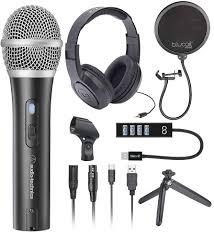
- USB Microphone: A good USB microphone plugs right into your computer and grabs clear audio. Some trusted options are the AudioTechnica AT2020USB+ or Rode NTUSB. These microphones are userfriendly and deliver solid quality without the headache of audio interfaces.
- Headphones: Closed-back headphones let you hear your recordings without outside distractions.
- Acoustic Treatment: Blankets, foam panels, or even a closet can act as makeshift sound booths. Cutting room echo is key.
- Audio Software: Free programs like Audacity or paid ones like Adobe Audition let you record and tidy up your tracks.
Other helpful items include a pop filter (to soften harsh ‘p’ and ‘b’ sounds) and a steady microphone stand. Getting these basics in order not only steps up your chances for gigs, it also lets you hear your own progress as you practice.
How to Find Animation Voiceover Jobs Online
Animation voiceover roles are posted on a mix of websites and platforms. Knowing where to look and how to present yourself helps you stand out. Here’s how people are tracking down online voiceover jobs:
Popular Voiceover Job Platforms
- Voices.com: A center for everything from animation and games to commercials. The platform matches talent profiles with projects, so make sure yours is complete and your demo samples are sharp.
- Upwork and Fiverr: Freelance job hubs where voice acting gigs are only a search away. The competition might be tough, but newcomers find real-world gigs to fill their portfolio.
- Casting Call Club: This is very popular among indie creatives and fan projects. It’s a spot to try out a variety of roles; even unpaid ones can fill up your reel.
- Bodalgo & Voice123: Professional casting sites with a range of auditions. Many are for experienced voices, but determined beginners are still welcome.
Other notable spaces include Facebook voiceover groups, Discord channels just for voice actors, and the Mandy Network.
Tips for Auditioning Online
- Read Carefully: Tweak each audition for the project. Directors pick up on effort—or the lack of it—right away.
- Quality over Quantity: Fewer, more polished samples work better than a flood of rushed auditions.
- Clear Labeling: Name files with your name and the project or character so casting can keep things straight.
- Custom Demos: Make short clips showing your different character voices, accents, and emotions to put your range out there.


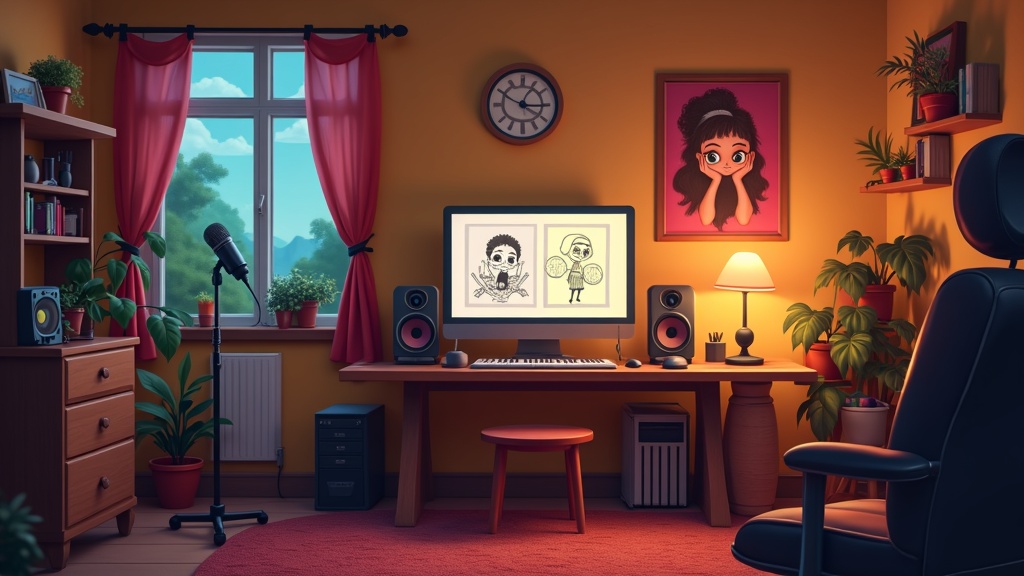
Recording a custom demo in a quiet home studio—showcasing character voices and emotional range.
Persistence is key. You might send dozens of auditions before you get your first callback. That’s normal. View each audition as a learning experience and a way to keep building your reel.
Common Challenges (and How to Handle Them)
Running into obstacles is part of the process—here’s what I’ve found from my experience and chats with others in the business:
- Background Noise: If there’s sound in the background, the client will hear it. Record in the quietest spot you can, often at off-peak hours.
- Finding Your Niche: Not every role is a match for your talent right away. Focus on parts that fit you now, and add some variety as you gain experience.
- Burnout: Going through loads of auditions in a day is draining. Rest your voice, break up sessions, and focus on projects you actually enjoy.
- Rejection: Every voice actor faces “no” a lot. Remember, each audition improves your skills and boosts your future chances.
Tech Issues
Audio problems can sink a submission. Test your setup before every session, and keep backups of your files. There are loads of YouTube tutorials covering noise reduction and editing basics if you need some help.
Advanced Tips for Animation Voiceover Prospects
Once you’re comfortable, here’s how to step up your game and get noticed:
- Acting Classes: Voice training or improv (even on Zoom) can freshen up your range and make your performances stand out.
- Demo Reels: Collect your best work into one-minute samples. Keep updating your reels as you get new roles.
- Networking: Follow casting directors and industry groups online to stay in the loop for jobs and workshops.
- Professional Website: Even a simple page with your demo, credits, and contact info makes it much easier for clients to reach out.
- Union vs Non-Union Work: If you aim to go pro, learn the basics about voice acting unions such as SAGAFTRA. This helps you ask for the right rates and handle contracts.
Stay aware of trends—AI-generated voices might take on some jobs, but human creativity is still popular and especially needed for stories and character work.
Practical Uses: Where Animation Voice Actors Get Hired
Animation voiceover covers a range of niches. Here are the common places people land remote gigs:
- Web Series and YouTube Cartoons: Independent projects and small studios love home recording talent for both short and longer shows.
- Apps and Games: Mobile games, interactive kids’ apps, and educational tools need new voices to keep their audiences engaged.
- Explainer and Whiteboard Videos: Animated explainers for business or school want friendly, characterful voices to connect with viewers.
- Commercials and Ads: Animated spokesperson gigs give you the chance to play with tempo and style while keeping things concise.
Rates can swing from a few bucks to much more. Research current rates through trusted voice acting sites before you name your price. Free or low-pay projects can be stepping stones if they help you grow or connect you with leading creators.
Frequently Asked Questions
Here are answers to things people usually ask when getting into animation voiceover online:
How do I know if my home studio is good enough?
Check your recordings for room noise and echo. Compare them with pro samples. If it sounds clear and close, you’re heading in the right direction. You can upgrade your setup bit by bit over time.
What kinds of roles are best for beginners?
Web series, indie and fan animation, and smaller games often welcome new talent. These are great for practice and building your first reel.
How much do animation voiceover jobs pay?
Pay varies. Indie projects and web series might be on the low end, from $10–$50 per piece. Bigger gigs and commercial animation pay more. Focus at first on building your skill and portfolio, and aim higher as you go.
Do I need an agent?
Starting solo works well for most people. Once you have a strong portfolio and want bigger projects, check in with some agencies. Many experienced voice actors still self-submit for flexibility.
Bottom Line
Breaking into online animation voiceover takes patience and the right steps, but it’s within anyone’s reach with consistent practice and learning. A cozy space, dependable equipment, and a positive attitude help you make the most out of this creative corner of entertainment. Keeping up-to-date with tech and trends ensures your skills keep growing along with your opportunities.
Whether you’re trying out animation voice acting for fun or thinking of making it your main career, there are openings for everyone. Give some auditions a go, test out new character voices, and see how your own voice can become part of the next batch of animated stories.