Create A Guide Titled “How To Get Started In Audiobook Narration”
Audiobook narration is a growing field that mixes performing arts, storytelling, and technology. Whether you’re drawn in by the thrill of reading aloud or by the flexibility of remote freelance work, jumping into audiobook narration can open all sorts of creative opportunities. Getting started takes more than just a good reading voice. It’s about learning handy techniques, picking the right gear, and figuring out what publishers and listeners actually want. This guide will help you break into audiobook narration, even if you’re a total newcomer.
What Is Audiobook Narration?
Audiobook narration means reading and recording entire books so listeners can enjoy them through apps, streaming services, and libraries. While it might sound as easy as speaking into a microphone, there’s a whole lot more to the craft. Good narration pulls listeners in and keeps them invested, bringing characters and scenes to life with nothing but your voice. This skill is sought after for fiction, nonfiction, children’s books, self-help, and even technical guides.
Audiobooks have soared in popularity, recently passing $1 billion in U.S. sales. That’s due in part to platforms like Audible, Google Play Books, Apple Books, and public library favorites like Libby. These companies are always looking for fresh voices, so there’s a steady demand for both experienced narrators and beginners.
What You Need to Get Started in Audiobook Narration
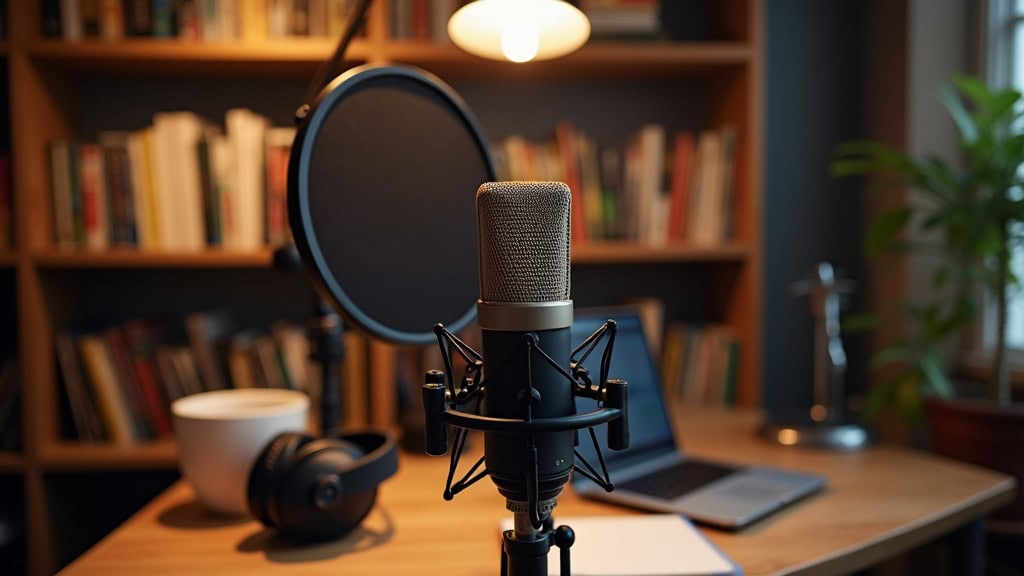
The entry barrier for audiobook narration is lower than ever, but you still need the right setup and solid skills to stand out. Here’s a beginner kit for narrating audiobooks from home:
- Microphone: USB condenser microphones are a popular choice. They plug right into your computer and usually offer strong audio quality without breaking the bank.
- Pop filter: This small screen helps soften sharp “p” and “b” sounds that could otherwise distract your listeners.
- Headphones: Closedback headphones help keep your audio crystal clear, stopping sound leaks and letting you hear every detail.
- Quiet space: Find a peaceful corner or closet with soft stuff like blankets or foam. It’ll do wonders for sound quality without much cost.
- Audio software: Free programs like Audacity or the built-in GarageBand on Macs let you edit and polish your recordings without any big investment.
If you’re starting out, there’s no need to splurge. Microphones under $150 (like the Audio-Technica AT2020USB+) get the job done just fine. You can always upgrade your gear as you pick up projects and experience.
Basic Skills Every Narrator Needs
Top-notch audiobook narration is much more than just reading clearly. Here are the must-have skills for new narrators:
- Consistent pacing: Don’t read too quickly, or listeners might get lost. Too slowly, and the story drags. A natural, steady flow is usually best.
- Expressive delivery: Share emotion, but don’t go overboard. Using small changes in pitch, tone, and rhythm makes your narration feel genuine and memorable.
- Character voices: For fiction, create gentle differences for each character’s voice. You don’t need wild accents; even simple shifts can make things clear for the listener.
- Clarity and pronunciation: Get comfortable with tricky words, names, and technical lingo. Practice new terms if they trip you up.
- Stamina: Narrating a book means long stretches behind the mic. Warm up your voice, take breaks, sip water, and keep your posture relaxed.
How to Practice and Build Your Skills
It’s normal to feel shaky at first, but here are some proven methods to develop your chops:
- Read aloud every day: Pick up a mix of books, news, or any text and speak aloud for 10-15 minutes. Dabbling with different genres—fiction, nonfiction, dialogue—gives you range.
- Record yourself: Use your computer or phone to record short clips. Listen back and spot issues like mouth noises, odd phrasing, or wobbly volume. Don’t be afraid to critique yourself!
- Get feedback: Share your samples with friends, family, or online narration groups on Reddit and Facebook. Fresh ears catch things you might miss.
- Check out pro samples: Listen to ace narrators on Audible, OverDrive, or Libro.fm. Pay attention to their pacing, character delivery, and how they handle tricky sentences.
Direct Steps to Landing Your First Gig
Getting that first paid audiobook job might seem like a leap, but the path is actually pretty straightforward. Follow these steps to start:
- Make a demo reel: Create a one-to-three minute audio sample showing off your style, range, and clarity. Borrow from public domain books like those on Project Gutenberg for practice material.
- Create an online presence: Post your demo and a brief bio on sites like ACX (Audiobook Creation Exchange), Voices.com, or Narrator.page. A portfolio—even a basic one—lets you look more legit.
- Audition for projects: ACX and similar sites are loaded with gigs for new narrators. Look for shorter jobs to start. Novellas, kids’ books, or short nonfiction can be less overwhelming.
- Network with indie authors: Indie writers are often searching for narrators for their ebooks. Try Facebook groups, Twitter, or local writing clubs to find leads.
- Work for free (strategically): Doing a few unpaid or royalty-share public domain books can build your credits and get you early reviews—even if you’re just starting out.
What Beginners Should Look Out For
Any gig-based field comes with challenges. Watch for these common issues and try these solutions:
- Vocal fatigue: Keep your voice healthy by drinking water, taking breaks, and using gentle warm-ups.
- Technical bumps: Audio editing can be tricky at first. There are many helpful tutorials on YouTube for Audacity and GarageBand. Start with basic fixes like removing background noise and simple edits.
- Finding clients: It often takes time and effort to land regular gigs. Keep auditioning and don’t get discouraged by slow beginnings.
- Payment options: Jobs may pay a flat rate, per finished hour, or use royalty shares. Read the terms carefully and make sure you know what you’re agreeing to ahead of time.
- Deadlines: Stay organized, track your progress, and always be honest about your availability to ensure projects wrap up on schedule. Timely completion builds your credibility and can lead to referrals.
Vocal Fatigue
Taking care of your voice is essential for narrators. Warm up before you record, skip heavy caffeine and dairy right before a session, and take full vocal rest on your days off. If your throat gets worn out or scratchy, some hot tea with honey can work wonders. Over time, you’ll notice what habits or foods affect your voice and can adjust your routine accordingly.
Technical Skills
Audio editing can feel overwhelming at first, but you don’t need to be a pro engineer from day one. Start with basic tutorials online, and gradually build up your skills. I found that learning simple audio fixes—like using noise reduction or tweaking equalization—helped my recordings sound miles better. Forums such as Audacity Forum are loaded with advice and troubleshooting tips if you get stuck.
Leveling Up: Advanced Tips for New Narrators
Once you’ve done a few gigs and your confidence is up, take your narration a notch higher with these techniques:
Get into character study: For fiction, jot down a few points for each major character—their age, quirks, mood. Use those notes as a mental guide, and let them softly shape your voice for each role. It helps bring more dimension to your storytelling.
Master phrasing and emphasis: Break up long sentences into manageable pieces, and use pauses for dramatic effect. If you race through or merge lines, listeners might zone out. Practice reading passages out loud with different rhythms until you hit that sweet spot.
Fine tune your gear setup: As you book more gigs, you might want to add a microphone isolation shield or upgrade your audio interface for a cleaner, professional sound.
Keep learning: There are lots of affordable online workshops and vibrant communities for voiceover work. Audiobook narrator forums let you swap tricks, get advice, and even find networking opportunities. The more you connect, the more you’ll learn and grow.
Frequently Asked Questions
Here are some popular questions people ask about getting started in audiobook narration:
Question: Do I need a professional studio to start?
Answer: Not at all. Tons of narrators launch their careers from bedroom or closet setups. The most important thing is that your sound is clear and free of unwanted noise.
Question: How do I get paid?
Answer: You typically get paid per finished hour, per project, or through royalty shares—a percentage of future sales. Always confirm payment details in writing before you take a job.
Question: What genres should I start with?
Answer: Stick to genres you enjoy and feel comfortable reading aloud. Many beginners choose short nonfiction or fiction. As your skills grow, branch out into other areas for variety.
Sum Up: Getting Started as an Audiobook Narrator
Getting started in audiobook narration means developing your voice, learning the basics of recording, and taking the plunge with those first auditions—even for small projects. Building your name takes some hustle and patience, but it can lead to a rewarding, creative side gig or even a full-blown career, all while offering plenty of flexibility.
If you love stories and don’t mind a bit of practice, audiobook narration is a super fun way to explore your creative side. Every project you complete hones your skills. Plus, your voice can turn books into experiences that reach listeners everywhere. Take that first step and see where your narration ride leads you!