Hanna Barbera Cartoons
From MGM to Prime Time:
The Birth of Hanna-Barbera
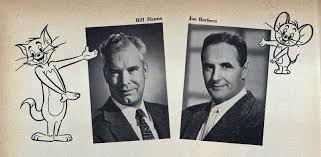
In 1957, two former MGM animators—William Hanna and Joseph Barbera—launched a revolution in television animation. After decades of success with theatrical shorts like Tom and Jerry, the duo saw an opportunity to bring cartoons to the small screen. Their new studio, Hanna-Barbera Productions, pioneered cost-effective techniques like limited animation, which allowed them to produce high-volume content without sacrificing charm or character.
Their first major success, The Ruff and Reddy Show, laid the groundwork for what would become a golden age of animated television. By the early 1960s, Hanna-Barbera had become a household name, with a production model that blended creativity, efficiency, and mass appeal.
📺 The Shows That Shaped Generations
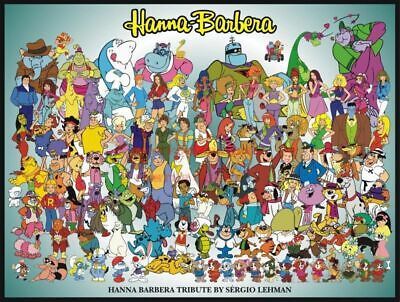
Hanna-Barbera’s catalog is a masterclass in character-driven storytelling. Here’s a curated timeline of their most iconic series:
DecadeNotable Shows1950sThe Ruff and Reddy Show, Huckleberry Hound, Quick Draw McGraw1960sThe Flintstones, The Jetsons, Yogi Bear, Jonny Quest, Top Cat1970sScooby-Doo, Where Are You!, Wacky Races, Josie and the Pussycats, The Banana Splits1980sThe Smurfs, The Snorks, The 13 Ghosts of Scooby-Doo1990sDexter’s Laboratory, Johnny Bravo, Cow and Chicken, SWAT Kats
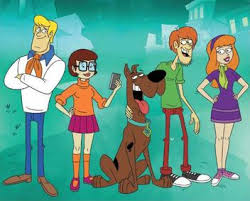
Each show introduced archetypes that still echo in modern animation—from the bumbling but lovable Fred Flintstone to the mystery-solving gang of Scooby-Doo. Their work laid the foundation for Cartoon Network and inspired generations of creators3.
🎙️ The Voices Behind the Magic
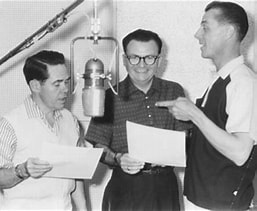
Hanna-Barbera’s characters were brought to life by a legendary roster of voice actors, many of whom became icons in their own right:
- Daws Butler: Voiced Yogi Bear, Huckleberry Hound, and Quick Draw McGraw. His versatility helped define the studio’s early sound.
- Don Messick: The voice of Scooby-Doo, Boo Boo, and Ranger Smith. His subtle comedic timing was unmatched.
- Mel Blanc: Though best known for Looney Tunes, he voiced Barney Rubble and Dino in The Flintstones.
- Alan Reed: Originated Fred Flintstone’s voice, even coining the catchphrase “Yabba Dabba Doo!”.
- Jean Vander Pyl: Played Wilma Flintstone and Rosie the Robot in The Jetsons.
These performers weren’t just voice actors—they were character architects, shaping emotional tone and comedic rhythm in ways that still resonate today6.
🧬 Legacy, Innovation, and Cultural Impact
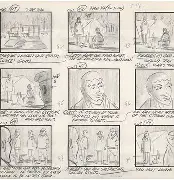
Hanna-Barbera didn’t just entertain—they innovated. Their use of limited animation was controversial but transformative, making weekly animated series financially viable. They pioneered the prime-time animated sitcom with The Flintstones, and their characters became merchandising juggernauts, appearing in toys, comics, and theme parks.
Their influence extended into the digital age. Turner Broadcasting acquired the studio in the 1990s, using its vast library to launch Cartoon Network. Even after the studio was absorbed into Warner Bros. Animation in 2001, the Hanna-Barbera brand remains active in licensing and nostalgia-driven media7.
🔮 Why Hanna-Barbera Still Matters Today
In an era of hyper-detailed CGI and streaming saturation, Hanna-Barbera’s work reminds us that storytelling, character, and heart are timeless. Their shows continue to be syndicated, rebooted, and referenced across pop culture. For voice actors, animators, and educators like you, Oscar, their legacy is a blueprint for building emotionally authentic, technically savvy, and enduring creative work.
Whether you’re mentoring the next generation or crafting your own animated content, Hanna-Barbera’s history offers a rich well of inspiration—and a reminder that innovation often begins with a bold idea and a sketchpad.