How To Sound Like A Cartoon Character
Sounding like a cartoon character turns regular speech into something full of fun, exaggeration, and personality. Whether you’re dreaming about voice acting, want to make your friends laugh, or just want to add flavor to your online presence, this skill can really bring out your creative side. I’ve spent a lot of time practicing and researching the best techniques, and I’m excited to share what works when it comes to crafting those wild, unforgettable cartoon voices.

What Makes Cartoon Characters Sound Unique?
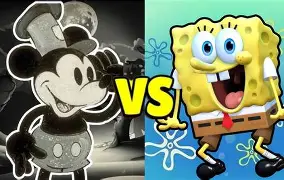
Cartoon voices grab your attention with over-the-top sounds, playful energy, and a strong sense of character. These voices often exaggerate something, like pitch, accent, or rhythm, to give the character a larger-than-life vibe. Think about how Mickey Mouse squeaks, or how SpongeBob bounces through his sentences. It’s not just about sounding weird, though. Each cartoon voice is designed to capture everything from mood to personality. This makes mastering these sounds a pretty handy skill if you’re into performance of any kind.
Since animation exploded in the early 20th century, voice actors have been the backbone of cartoon magic. Names like Mel Blanc (the voice behind Bugs Bunny and Daffy Duck) and Tara Strong (who’s voiced everyone from Timmy Turner to Twilight Sparkle) are legends thanks to their ability to switch styles and invent sounds for unique characters. Looking at how they work can really help if you’re learning to develop your own cartoon voice style.
Basic Techniques for a Cartoon Voice
Sounding like a cartoon character starts by changing how you use your voice. This doesn’t mean straining or hurting your throat, but it does involve playing with pitch, resonance, and pacing. Here are some things I focus on when I want to make my voice sound animated:
- Pitch: Raising or lowering your pitch is one of the easiest ways to change your character. Try going higher for squeaky, chipper roles or lower for villains and big, goofy characters.
- Resonance: Resonance is about where your voice “sits.” Whether you sound more nasal (like Fran Drescher’s cartoon characters) or more throaty, nasal voices are everywhere in cartoons. Practice humming and feeling the vibrations in your face or chest to learn how to control resonance.
- Rhythm and Pacing: Cartoon characters often speak with weird rhythms, quick bursts, or stretched out words. Playing around with timing helps give a voice its playful edge.
- Accent and Diction: Accents can help define your cartoon character instantly. Crisp, exaggerated enunciation adds comedic flair. Dropping or stretching syllables can transform a line from dull to hilarious.

Your voice has layers—learn to stretch, bounce, and twist them like a pro.
I like to mimic cartoon lines I’ve heard on TV, record myself, and play it back to see what clicks. Don’t be shy about getting silly, because that’s really where the best cartoon voices come from.
Practice Strategies to Build Cartoon Voices
If you want to consistently sound like a cartoon character, regular practice is really important. You don’t need fancy equipment to get started, just a willingness to experiment. Here’s what I recommend doing to get results faster:
-

Children’s stories are a playground for cartoon voices—go wild with every page. Read Children’s Books Aloud: These stories are filled with playful language and fun characters. Pick a book and give each character an exaggerated voice. The over the top dialogue is perfect for trying out new sounds.
- Record and Playback: Record your voice and listen back. It feels weird at first, but it’s super useful for hearing what works and what doesn’t.
- Imitate Cartoon Clips: Play a short cartoon scene, then mute it and try voicing the characters yourself. Repeat until you’re comfortable switching quickly between voices.
- Warm Up Your Voice: Like any muscle, your vocal cords need a good warm up. Humming, lip trills (blowing air through closed lips), and tongue twisters help you avoid strain and loosen up your range.
Consistency matters. Even five or ten minutes of practice a day builds up range, flexibility, and confidence. If you want to step up your practice, try acting out everyday conversations in a cartoon voice or narrating your actions like a wild character. It helps shift your mindset and makes you less hesitant to get creative when the moment calls for it.
Challenges and Things to Watch Out For
Creating cartoon voices comes with some hurdles. Here are a few issues I’ve run into, along with how I deal with them:
- Vocal Fatigue: Pushing your voice too hard, especially when you’re not warmed up, can leave your throat sore. Gentle warm ups and taking lots of breaks really pay off.
- Sticking to One Voice: New voice actors sometimes get stuck doing the same voice for everything. Mix it up! Play with different pitches and styles to build versatility.
- Overacting: It’s easy to go so over the top that you lose the character’s personality. Balance crazy sounds with real emotion so the character feels believable.

: Cartoon voices are fun—but your vocal cords need care and balance. - Nerves: Performing cartoon voices in front of others takes guts. Practice alone until you feel comfortable, then try small groups. The more you do it, the easier it gets.
Vocal Health
Taking care of your voice matters. Drink water throughout practice (not ice cold), skip screaming or throat clearing, and rest when you feel strained. If you make cartoon voices for long stretches, use gentle exercises to relax your throat.
Mixing Up Your Range
A wide range makes it easier to take on different roles. Try voices that are super high, like a helium balloon, and others that are really deep or gruff. Practice sliding smoothly up and down your range to stay flexible. Record yourself going from your lowest note to your highest and back down, and check for any bumps or rough patches that you can work on smoothing out over time.
Acting Skills
Cartoon voices are only half about how you sound; the rest is all acting. Focus on delivering lines with real emotions, silly or serious, and match your voice to what the character might be feeling. I find it helps to exaggerate facial expressions during practice, even if no one else is watching. Try mirroring the expressions you hear in the character—eyebrows arched high or a big toothy grin tends to change the sound of your voice and makes everything more believable.
Leveling Up: Advanced Cartoon Voice Tips
Once you’ve got the basics, there are lots of cool tricks to bring cartoon voices to life. The best cartoon voices come from mixing traits, adding sound effects, and making bold choices.
Combine Multiple Traits: Pull ideas from different voices you know, like a pirate’s lingo mixed with a baby’s tone. Mashups make for memorable, original characters.
- Why Do This? It helps make unique voices that feel fresh, not copied—your character stands out as distinct instead of being a simple imitation.
Experiment With Sound Effects: Add giggles, whistles, or sound effects between words. Think about the way Donald Duck squawks or Goofy throws in his iconic guffaws.
- Why Do This? Sound effects add texture and personality, making your character pop in a crowd and help listeners remember your performance.
Use Props or Movement: Moving your face, hands, or even jumping around can help produce bigger, wilder sounds. Many pros flail their arms and make faces while they record

.
- Why Do This? Physical movement often leads to unexpected, hilarious results. Plus, it helps you get into character more fully and can let you spot habits you might want to amplify or tone down.
Listen to Professional Demos: Sites like Voice123 and Casting Call Club have reels from professional voice actors. These demos provide great ideas for pacing, energy, and delivery.
- Why Do This? Learning from the pros speeds up your own progress and gives you inspiration for your characters. Listen for details in timing, catchphrases, and any special choices that make those characters memorable, then borrow and switch up what you hear for your own creations.
Always remember to pay attention to what makes each cartoon voice tick. Sometimes it’s a small catchphrase or signature laugh that ties the whole thing together, making the character truly come alive. Get into the details: notice if a character always ends a sentence with a giggle or pops their P sounds, and work that into your version or even exaggerate it for your own unique creation.
Real-World Uses for Cartoon Voices
Cartoon voices aren’t just for animation. Here are a few real-life situations where busting out a silly voice can come in handy:
- Content Creation: Add energy to YouTube videos, TikToks, or live streams with unique character voices. A signature cartoon voice can make your content more memorable and help you stand out in a crowded field.
- Dubbing and Voice Acting: Many indie games, animations, or small studios need talented people who can create memorable voices. Start checking open projects online—these gigs are everywhere and can build your skills fast.
- Storytelling for Kids: Giving storybook characters different voices makes reading to kids tons of fun—it helps keep them engaged and sparks their imaginations.
- Podcasting: Comedy or storytelling podcasts often use original character voices to keep things lively. Try guesting on a friend’s project or starting your own short podcast to practice different roles.
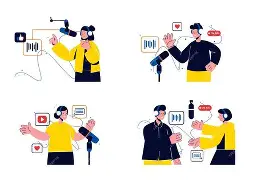
Cartoon voices aren’t just for animation—they bring magic to everyday moments.
I’ve used cartoon voices for party games like Dungeons & Dragons, which turn every session into a hilarious adventure. The key is to have fun with it, so don’t hold back. Cartoon voices can also help with confidence in presentations, teaching, or even just spicing up your online chats.
Frequently Asked Questions
People ask me these things all the time, so here are some quick answers:
Question: Do I have to be an actor to learn cartoon voices?
Answer: Not at all. Anyone can play with voices. A love for cartoons and practice are the main things you need to get started. Try doing goofy voices with friends or narrate your daily routine in a cartoon voice—it’s all practice.
Question: How do I stop my voice from getting sore?
Answer: Warm up gently, stay hydrated, and rest if you feel strained. Never force it. Cartoon voices should never hurt. Practicing good technique and using your body (not just your throat) to make sounds makes it safer and more sustainable.
Question: Is voice acting for cartoons a good career?
Answer: It can be, if you’re passionate and keep practicing. There are always new projects looking for expressive voices. Check sites like Voices.com or Casting Call Club for opportunities, and don’t be afraid to audition, even for small roles or student projects. Every bit of experience counts, and you might stumble upon your signature character!
Ready to Create Your Own Cartoon Voice?
I’ve found cartoon voices to be a fantastic way to build confidence and show off my creativity. Whether you want to make people laugh, perform for an audience, or just record silly messages for friends, these techniques help you sound more animated and original. Start small, have fun with your voice, and you’ll be surprised at what you can do! If you stick with it and bring your own twist, you might just track down your own eye-catching voice that leaves folks talking long after the performance is over.